

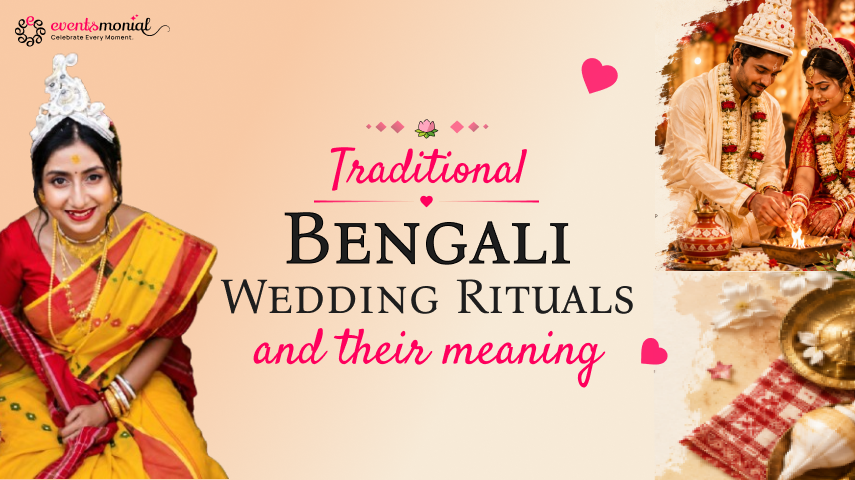
Traditional Bengali weddings are known for their rich culture, emotional rituals, and beautiful customs passed down through generations. Every ceremony carries a deeper meaning that reflects love, respect, family bonding, and spiritual connection. From the sound of conch shells to the fragrance of fresh flowers and traditional attire, Bengali weddings create an unforgettable experience for everyone involved.
Even though modern couples are adding contemporary elements to weddings, traditional rituals continue to hold a special place in Bengali culture. These customs are not just ceremonial practices; they symbolise trust, togetherness, and the beginning of a lifelong journey. If you are planning your wedding, reading a blog on wedding ritual guide can help you understand these beautiful traditions in a more meaningful way.
Aiburo Bhaat – Blessings Before Marriage
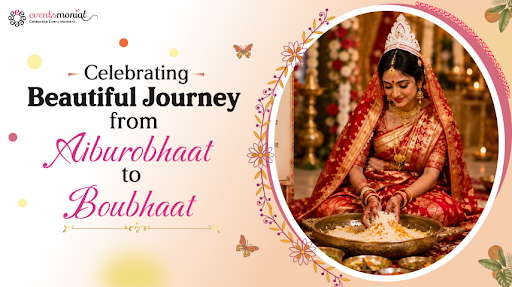
One of the earliest rituals in a Bengali wedding is Aiburo Bhaat. Before the wedding day, both the bride and groom are treated to a grand meal by family members. It is considered their last meal as unmarried individuals. Families prepare favourite dishes and bless the couple for a happy married life ahead.
This ritual highlights the emotional bond between the couple and their families. It also creates a joyful atmosphere before the wedding celebrations officially begin.
Gaye Holud – The Haldi Ceremony
The Gaye Holud ceremony is one of the most colourful pre-wedding rituals in Bengali culture. Turmeric paste is applied to the bride and groom by family members and friends. Turmeric is believed to purify the body, enhance natural glow, and bring positivity.
Traditionally, turmeric used for the bride is first touched to the groom’s body and then brought to her house. The ceremony is filled with music, laughter, traditional sweets, and bright yellow attire. It is a celebration of happiness and togetherness before the wedding day.
The Beauty of Saat Paak
One of the most iconic moments in a Bengali wedding is the ritual known as significance of saat paak. During this ceremony, the bride sits on a wooden stool called a piri and is carried around the groom seven times by her brothers or male relatives. Her face remains covered with betel leaves during the rounds.
The seven rounds symbolise the spiritual and emotional bond between the couple. It represents their promise to stay together through every stage of life. Family members often become emotional during this ritual because it reflects love, protection, and commitment. The ceremony also creates excitement among guests as everyone eagerly waits for the bride and groom to finally look at each other.
Shubho Drishti – The First Look
After the saat paak ritual comes one of the most romantic moments of a Bengali wedding shubho drishti. This is the moment when the bride removes the betel leaves from her face and the couple looks at each other for the first time during the ceremony.
The ritual symbolises acceptance, trust, and the beginning of a new relationship. Family members cheer loudly while conch shells and ululation fill the wedding venue with positive energy. It is often considered one of the most emotional and memorable parts of the celebration.
Today, many couples also recreate this moment beautifully for photography and wedding films while maintaining its traditional essence.
Mala Badal – Exchange of Garlands
The next important ritual is the mala badal ritual, where the bride and groom exchange floral garlands. This ceremony represents mutual acceptance and respect between the couple.
Traditionally, friends and family lift the bride and groom playfully while they try to place garlands on each other. The atmosphere becomes lively, cheerful, and entertaining for everyone attending the wedding.
The exchange of garlands also symbolises the union of two families. Even in modern Bengali weddings, this ritual continues to remain one of the most awaited moments because of its emotional and joyful significance.
Sindoor Daan and Final Blessings
The wedding ceremony concludes with Sindoor Daan, where the groom applies sindoor (vermilion) on the bride’s forehead. This ritual signifies the bride’s new identity as a married woman. The bride then covers her head with a new saree gifted by the groom’s family.
Elders from both families bless the couple for prosperity, happiness, and a peaceful married life. It marks the emotional beginning of a new chapter for the bride and groom.
Modern Bengali Weddings with Traditional Values
Today’s couples are blending traditional rituals with modern celebrations. Intimate ceremonies, destination weddings, and personalised décor ideas are becoming increasingly popular. Many couples are also exploring micro wedding ideas to celebrate with close family and friends while maintaining cultural traditions.
Technology has also made wedding planning much easier. From invitation cards and event websites to vendor bookings and guest management, digital platforms simplify every stage of preparation. Finding trusted event vendors for photography, décor, catering, and bridal makeup has become more convenient for couples planning weddings across India.
Traditional Bengali wedding rituals beautifully combine spirituality, emotion, and celebration. Every ceremony, from Gaye Holud to Sindoor Daan, carries a deep meaning that strengthens the bond between two individuals and their families. These customs continue to remain timeless because they celebrate love, respect, and togetherness in the most heartfelt way.
Whether you prefer a grand wedding or a simple intimate celebration, understanding these rituals adds more meaning to your special day and helps preserve the beauty of Bengali culture for future generations.