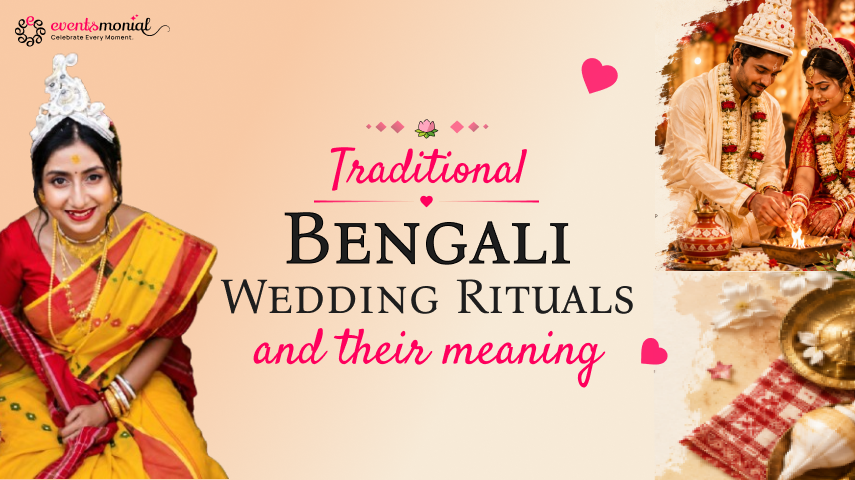


Bengali weddings are not just ceremonies they are emotions wrapped in red-and-white elegance, soulful music, fragrant flowers, and timeless traditions. From intimate family rituals to grand celebrations, every moment feels magical and deeply meaningful. If you have ever attended a Bengali wedding, you already know how beautifully every ritual unfolds with grace, drama, and joy. This guide explores the most loved Bengali wedding rituals from the beginning to the grand post-wedding celebrations.
Aiburobhaat – The Last Feast Before Marriage
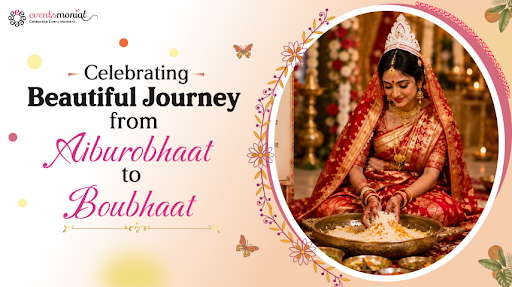
Aiburobhaat is one of the sweetest pre-wedding rituals in Bengali culture. It is the final meal enjoyed by the bride and groom before they step into married life. Family members prepare an elaborate spread with rice, fish, sweets, and traditional Bengali delicacies. The atmosphere is emotional yet cheerful, filled with teasing, blessings, and excitement for the wedding ahead. This ceremony beautifully celebrates family bonding and the warmth of home.
Dodhi Mangal – A Sacred Beginning
Held early in the morning on the wedding day, Dodhi Mangal is considered highly auspicious. Family members offer flattened rice, curd, and sweets to the bride and groom before they begin fasting for the wedding rituals. Traditionally, holy water is also brought from a nearby river or pond for the ceremony. The calmness of the morning and spiritual energy make this ritual truly special.
Gaye Holud – Colours, Music, and Happiness
The Haldi ceremony in Bengali weddings is known as Gaye Holud. Turmeric paste is first applied to the groom and then sent to the bride’s house as a blessing. Dressed in vibrant yellow outfits, friends and family celebrate with music, dance, laughter, and endless photographs. Floral jewellery, marigold décor, and Bengali sweets add extra charm to the event. Today, many couples add modern décor themes while still preserving the ritual’s traditional beauty.
Sankha Pola – The Symbol of Marriage
Before the wedding ceremony, the bride wears Sankha and Pola, traditional white and red bangles that symbolise marriage in Bengali culture. These bangles are deeply emotional and culturally significant. Paired with a Banarasi saree and traditional bridal jewellery, they complete the iconic Bengali bridal look.
Bor Boron – Welcoming the Groom
As the groom arrives at the wedding venue, the bride’s family welcomes him with lamps, sweets, and traditional rituals. This ceremony is known as Bor Boron. The sound of conch shells and ululation instantly creates a festive atmosphere. It marks the beginning of the main wedding rituals.
Shubho Drishti and Mala Badal
One of the most iconic moments of a Bengali wedding is Shubho Drishti. The bride arrives seated on a wooden stool called pidi while covering her face with betel leaves. As she slowly removes the leaves and looks at the groom, the guests erupt in cheers and celebration. This emotional first look is followed by Mala Badal, where the couple exchanges flower garlands amidst laughter and excitement. These moments are dramatic, romantic, and visually unforgettable.
Sacred Wedding Rituals
The wedding ceremony continues with rituals like Sampradan, Yagna, Saat Paak, and Anjali. The priest chants Vedic mantras while the couple takes sacred vows around the holy fire. The bride and groom promise lifelong companionship, trust, and togetherness. The spiritual energy of these rituals makes Bengali weddings deeply meaningful. For couples trying to understand Bengali marriage rituals step by step, these ceremonies reflect the true essence of tradition, family values, and emotional bonding.
Sindoor Daan and Bidaai
Sindoor Daan marks the completion of the wedding ceremony. The groom applies sindoor on the bride’s forehead, symbolising their marital bond. Soon after comes Bidaai, one of the most emotional moments of the wedding. The bride bids farewell to her family and begins a new journey with her partner. Tears, hugs, blessings, and silent smiles make this moment unforgettable.
Bou Boron – A Warm Welcome
When the bride enters her new home, the groom’s family welcomes her through Bou Boron rituals. The bride walks into the house leaving red alta footprints, symbolising Goddess Lakshmi entering the home. The ceremony feels intimate, warm, and filled with blessings for a happy married life.
The Grand Bou Bhaat Ceremony
One of the most celebrated post-wedding events is the Bou Bhaat ceremony. Hosted by the groom’s family, this event formally introduces the bride to relatives and guests. Traditionally, the bride serves food to family members as a gesture of love and acceptance. Modern Bou Bhaat celebrations now resemble glamorous wedding receptions with elegant décor, music, and lavish Bengali cuisine. It beautifully combines tradition with celebration.
Why Bengali Weddings Feel So Magical
The beauty of traditional Bengali wedding rituals lies in their emotional richness and timeless elegance. Every ritual carries meaning, every outfit tells a story, and every celebration feels deeply personal. From the sound of conch shells to the fragrance of fresh flowers, Bengali weddings create memories that stay forever.
If you are planning your own Bengali wedding, thoughtful organisation can make every ritual even more special. HelloMoni can help couples manage celebrations beautifully while preserving every cultural detail.
At EventsMonial, this blog celebrates the charm, emotions, and grandeur that make Bengali weddings truly unforgettable.