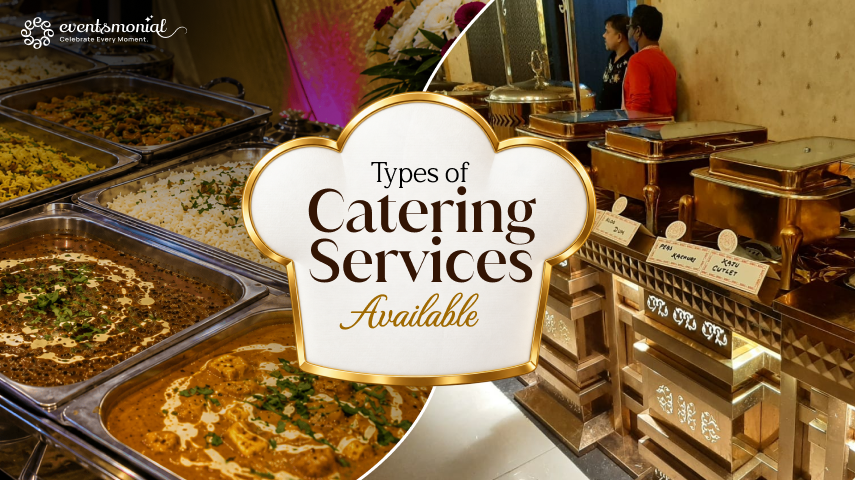
Food is one of the most important parts of any event, whether it is an intimate family gathering, a large wedding, a corporate meeting, or a traditional celebration.
Understanding what is catering services helps you make informed decisions about food preparation, presentation, service, staffing, and overall event management.
Catering is not simply about preparing meals; it involves planning menus, managing quantities, serving guests, maintaining hygiene, and ensuring that the dining experience matches the occasion.
With so many catering formats and service styles available today, choosing the right option can feel overwhelming. This guide explores the major types of catering services, different ways food can be served, and the factors you should consider before making a booking.
What Are the Different Types of Catering Services?
Catering services can be broadly classified according to the type of event they serve. Each event has different expectations regarding menu choices, presentation, staffing, timing, and service.
Wedding Catering
Wedding catering is designed to handle large guest lists while creating a memorable dining experience. Depending on the wedding format, the menu may include starters, main courses, desserts, beverages, and live food stations.
Wedding caterers usually work closely with families and event planners to create menus suited to the rituals, venue, guest preferences, and budget. From traditional Bengali dishes to North Indian, continental, or fusion menus, there are plenty of possibilities.
A wedding caterer may also provide waitstaff, buffet arrangements, crockery, cutlery, table setup, and food presentation. Since weddings often involve several functions, catering requirements may vary between the engagement, mehendi, wedding ceremony, and reception.
Corporate Catering
Corporate catering is suitable for business meetings, conferences, seminars, office celebrations, training sessions, and employee gatherings. The emphasis is generally on convenience, punctuality, professional presentation, and menus that are easy to serve.
Breakfast meetings may require tea, coffee, sandwiches, and light snacks, while conferences can call for lunch buffets and refreshments. Corporate caterers can also prepare packed meals for employees or guests when a formal dining setup is not required.
Party & Social Event Catering
Birthday parties, anniversaries, house parties, reunions, and other social gatherings often require flexible food arrangements. The menu can range from simple snacks and beverages to a complete multi-course meal.
The size and style of the party usually determine the catering format. A casual gathering may work well with a buffet or food stations, while a formal anniversary celebration may benefit from plated service.
For smaller celebrations, preparing a detailed Birthday catering checklist can help you organise guest numbers, menu requirements, dietary preferences, serving equipment, and other important details.
Religious and Traditional Catering
Religious and traditional occasions often have specific food customs and preparation requirements. Caterers serving these events need to understand the significance of particular ingredients, cooking methods, fasting rules, and traditional dishes.
Depending on the occasion, the menu may need to be completely vegetarian or follow specific cultural practices. Discussing these requirements with the caterer well in advance can prevent misunderstandings and ensure that the menu is prepared appropriately.
Home & Small-Event Catering
Home catering is ideal for intimate celebrations, family gatherings, small birthday parties, housewarming ceremonies, and private dinners. These services are generally more flexible because the caterer can adapt the menu to a smaller guest count and a residential setting.
A home caterer may provide only food delivery, or may also arrange basic serving assistance depending on the package. This makes it a practical choice when you want professionally prepared food without the expense of a large-scale catering setup.
Types of Catering Based on Service Style
Apart from the types of catering services, catering can also be classified according to how food is prepared, presented, and served to guests.
Buffet Catering
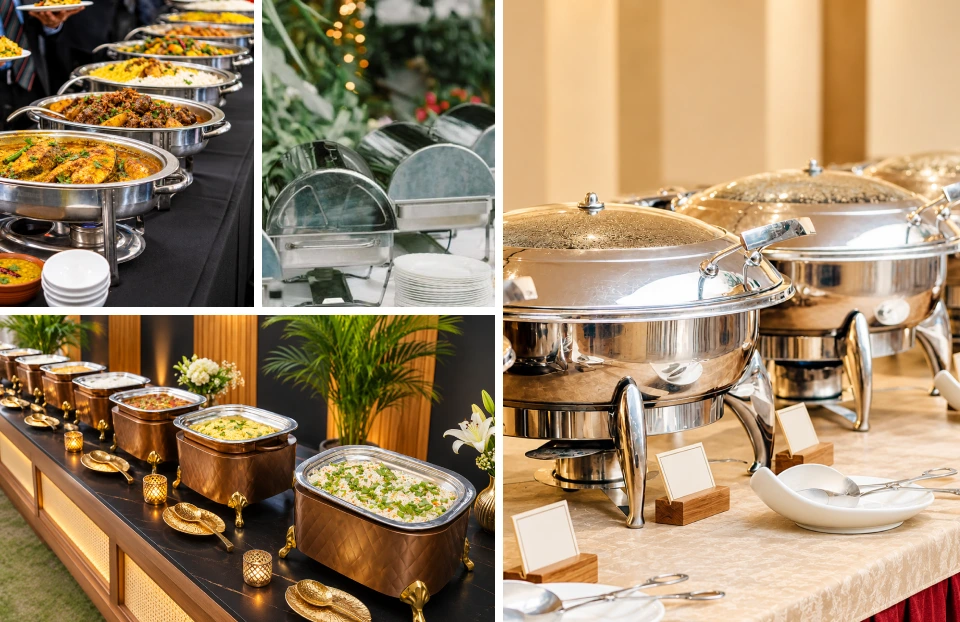
Buffet catering allows guests to choose their preferred dishes from a central food arrangement. Multiple dishes are displayed on serving counters, and guests usually serve themselves or receive assistance from catering staff.
This format provides variety and allows people to control their portions. It is particularly suitable for events with diverse food preferences and relatively large guest lists.
Plated Catering
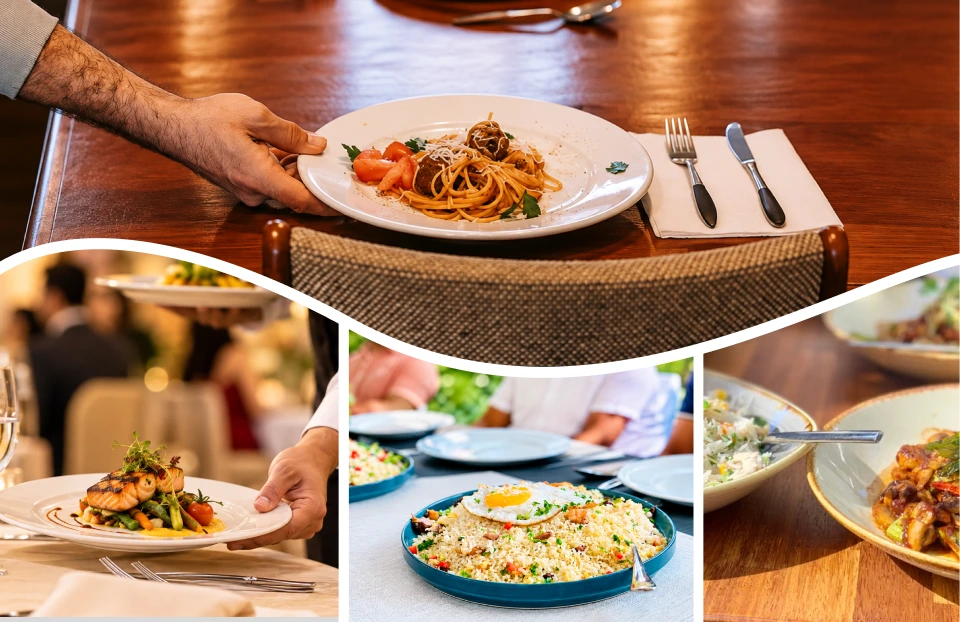
Plated catering offers a more formal dining experience. Food is portioned and served directly to guests at their tables, usually according to a predetermined menu.
This format creates a structured and elegant atmosphere. It can work particularly well for formal weddings, corporate dinners, award ceremonies, and other events where presentation and table service are important.
However, plated service generally requires more staff and careful coordination, especially when serving a large number of guests simultaneously.
Full-Service Catering
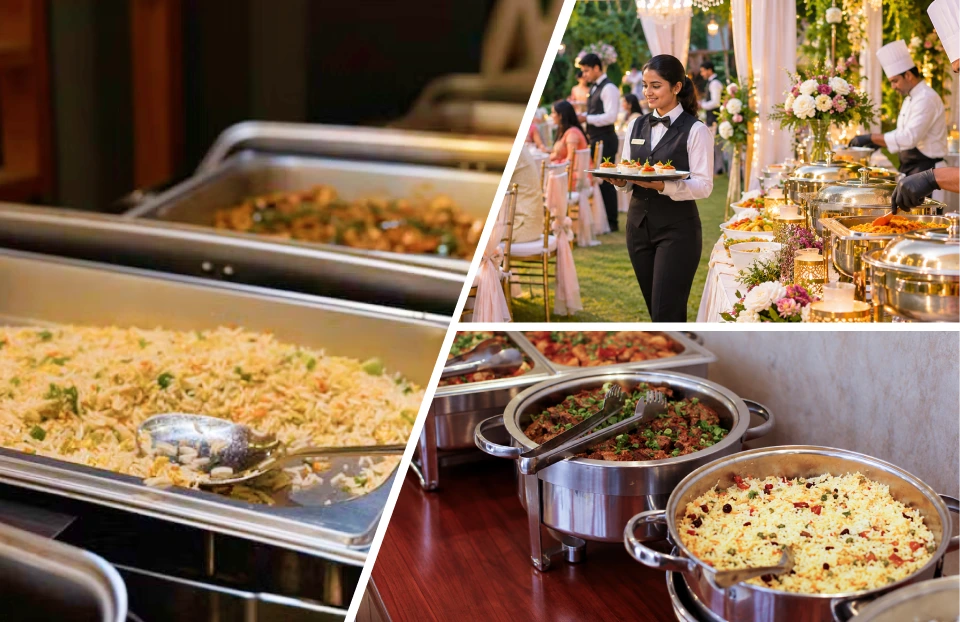
Full-service catering covers much more than food preparation. The catering team may manage menu planning, cooking, transportation, setup, serving, table arrangements, clearing, and cleanup.
This option is convenient for hosts who do not want to manage food-related responsibilities during the event. The caterer essentially becomes responsible for the dining experience from preparation to completion.
For a large celebration where the host wants to focus on guests rather than logistics, this can be the best catering service type.
Drop-Off Catering

Drop-off catering is a convenient option when you need professionally prepared food without on-site service. The caterer prepares and delivers the food to the venue, while the host or event team handles setup and serving.
It is useful for office lunches, small parties, casual gatherings, and meetings. Since fewer staff members are required, drop-off catering can also be more economical than full-service options.
Live Counter Catering
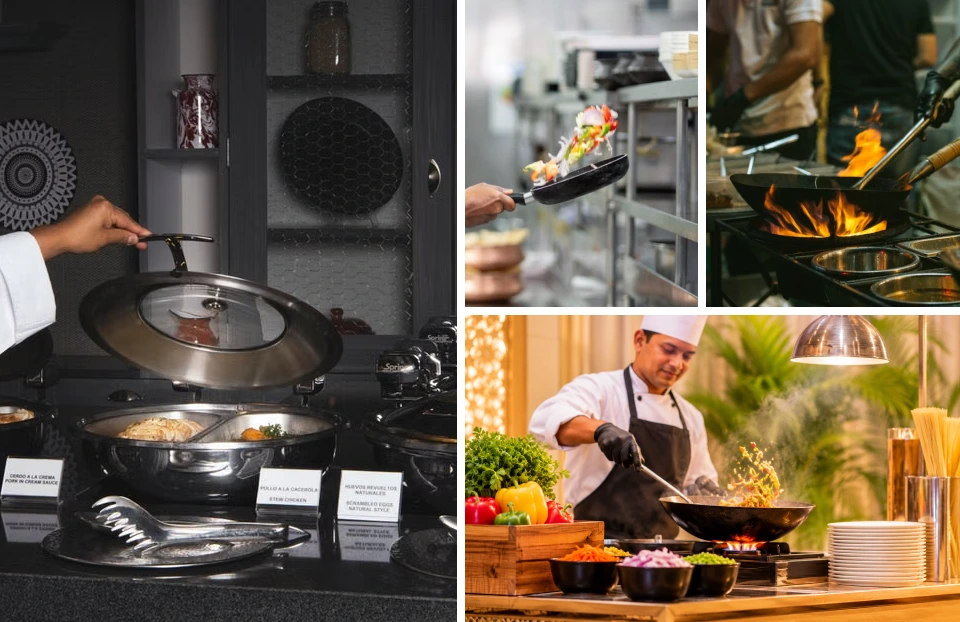
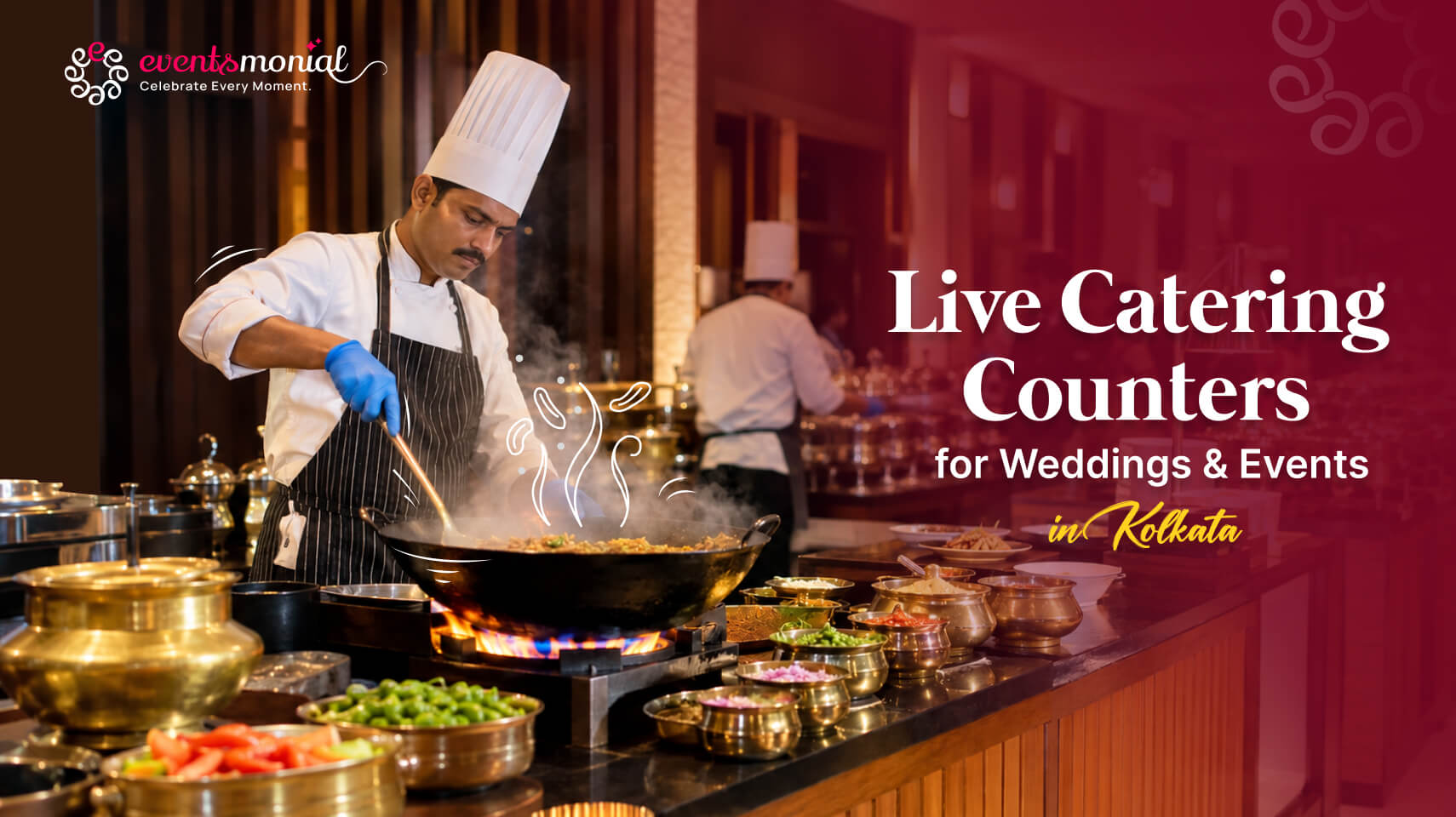
Live counters add an interactive element to the dining experience. Food is prepared or finished in front of guests, allowing them to watch the cooking process and enjoy freshly prepared dishes.
Popular choices may include chaats, dosas, pasta, kebabs, noodles, desserts, or regional specialities. Live counters can also become an attraction at weddings and social events because they combine entertainment with food.
Which Catering Service Is Best for Your Event?
There is no single catering format that works for every occasion. Your choice should be based on several practical factors.
Event Type
Start by considering the nature of the event. A wedding may require comprehensive service, while an office meeting may only need breakfast boxes or a lunch buffet. Formal occasions usually benefit from structured service, whereas casual gatherings allow more flexibility.
Guest Count
The number of guests directly affects menu planning, staffing, serving arrangements, and food quantities. For a small gathering, home or drop-off catering may be sufficient. Large events may require professional teams and extensive service infrastructure.
When comparing catering options for large events, consider not only the menu but also the caterer’s ability to manage high-volume cooking, transportation, food storage, staffing, and timely service.
Budget
Your budget should account for more than the cost of food. Ask whether the quoted price includes transportation, service staff, crockery, cutlery, table setup, live counters, taxes, and cleanup.
For events in Kolkata, reviewing a detailed catering Cost in Kolkata guide can help you understand the factors that influence catering prices before requesting quotations.
Venue
The venue can determine which catering styles are practical. Some venues have fully equipped kitchens, while others may require outside caterers to bring equipment. Check whether the location provides sufficient preparation space, electricity, water supply, storage, and waste-disposal facilities.
Menu Preferences
Consider the dietary needs and preferences of your guests before finalising the menu. Vegetarian, non-vegetarian, Jain, regional, continental, fusion, and customised menus may require different levels of preparation.
It is also useful to balance familiar favourites with a few distinctive dishes rather than making the menu unnecessarily complicated.
What to Check Before Booking a Catering Service
Before signing a catering agreement, take time to evaluate the provider carefully. A few important checks can help you avoid last-minute problems.
- Menu details: Confirm every dish, portion size, and course included in the package.
- Guest capacity: Ask whether the caterer has experience handling events of your expected size.
- Food quality: If possible, attend a tasting session before finalising the menu.
- Service staff: Clarify how many servers, chefs, supervisors, and support staff will be present.
- Equipment: Check whether tables, counters, crockery, cutlery, serving utensils, and other equipment are included.
- Hygiene: Ask about food preparation, transportation, storage, and serving practices.
- Timing: Confirm when the caterer will arrive for setup and when food service will begin.
- Additional charges: Ask about transportation, overtime, service fees, taxes, and other possible costs.
- Cancellation policy: Read the terms regarding advance payments, cancellations, postponements, and refunds.
- Reviews and experience: Look for reliable customer feedback and examples of similar events handled by the caterer.
If your priority is finding an affordable catering service, compare complete packages instead of choosing a provider based only on the quoted per-plate price. A lower initial price may exclude services that you later need to pay for separately.
FAQ
1. What are the different types of catering services?
–The main types include wedding catering, corporate catering, party catering, religious and traditional catering, and home or small-event catering. These can further be offered through buffet, plated, full-service, drop-off, or live-counter formats.
2. Which catering service is best for weddings?
+Full-service, buffet, plated, and live-counter catering can all work well for weddings. The right choice depends on the wedding’s size, formality, venue, menu, guest preferences, and budget.
3. What is full-service catering?
+Full-service catering generally includes several aspects of event dining, such as menu planning, food preparation, transportation, setup, serving, clearing, and cleanup. The exact services depend on the caterer’s package.
4. Buffet vs plated catering—which is better?
+Buffet catering provides greater variety and allows guests to choose their portions, making it suitable for many large gatherings. Plated catering offers a more formal and organised dining experience. The better option depends on the event style and service expectations.
5. How do I choose a catering service?
+Compare caterers based on their menu, experience, reviews, pricing, staffing, hygiene standards, equipment, flexibility, and ability to handle your guest count. Always clarify what is included in the final quotation before booking.
Conclusion
Choosing what is catering services really comes down to understanding how different catering formats match different events. From weddings and corporate functions to intimate home celebrations, each occasion can benefit from a carefully selected service style.
Consider your guest count, budget, venue, menu preferences, and desired level of service before making a decision. Compare packages carefully, ask the right questions, and choose a caterer with proven experience in handling events similar to yours. With the right planning and catering partner, you can provide your guests with delicious food and a smooth, enjoyable dining experience.